Infrared vs. traditional sauna: choose the experience that suits you
Different heat, different ways to unwind. Compare the experience, seating and practical setup before choosing your home sauna.
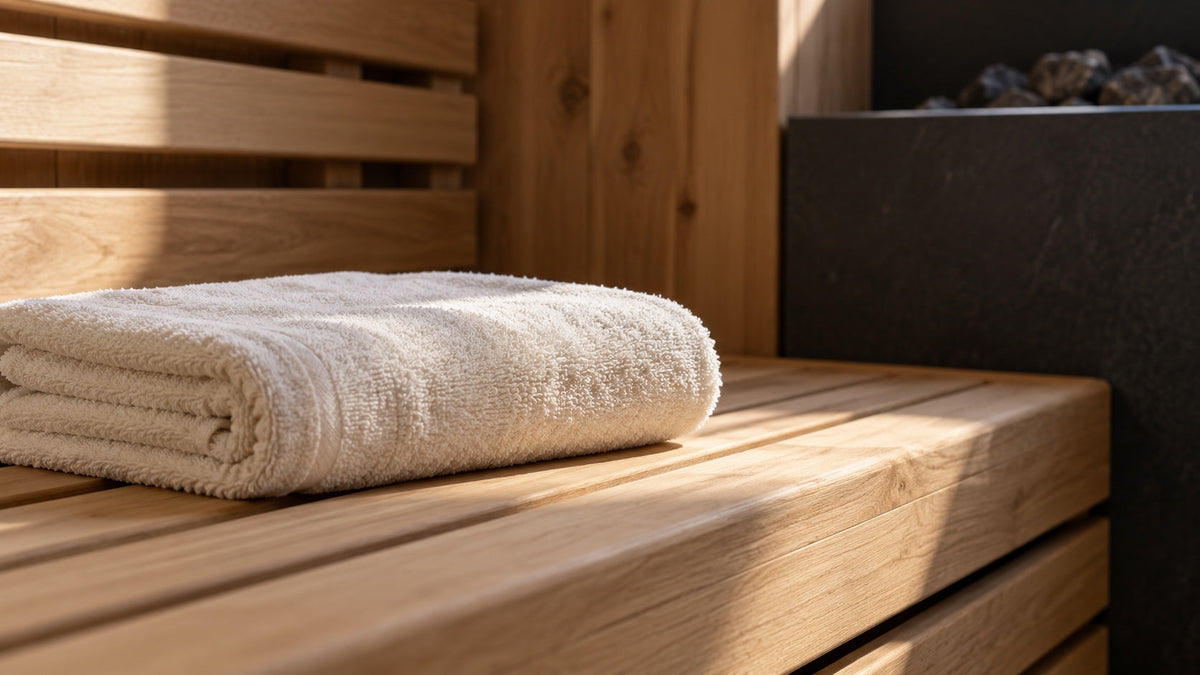
A good sauna choice starts with a simple question: what kind of time do you want to spend inside it? A quiet recline after work and a shared session around hot stones are different experiences. Both can belong in a thoughtful home wellness space.
Before comparing maximum temperatures or counting features, picture an ordinary evening. Who will use the sauna? How do they like to sit? Do they enjoy enveloping hot air, or would they prefer warmth at a lower cabin temperature? Those answers make the specifications more useful.
Two ways of delivering warmth
A traditional sauna uses a heater to warm the room and its stones. With a heater designed for it, adding the permitted amount of water to the stones creates a brief burst of steam. An infrared sauna uses radiant heaters that transfer warmth directly to the body, alongside warming the surrounding cabin. Infrared models generally operate at lower air temperatures. Harvia explains the two heating methods.
The choice is partly sensory. If you love the familiar hot-room experience and the ritual of water on stones, traditional heat may suit you. If that air temperature feels overwhelming, an infrared model is worth considering. Personal comfort still depends on the specific model, settings and session.
A higher temperature is not a score
Comparing two different heating systems by their maximum temperature alone misses how they work. Use the number to understand the model’s operating range, rather than to declare one type universally better. Ask what the sauna feels like at the setting you would actually choose.
The same applies to photographs of glowing panels. Infrared radiation itself is invisible to human eyes; visible red light is a different part of the spectrum. A photograph full of red lighting does not, by itself, tell you how much infrared warmth a sauna delivers. NASA’s explanation of infrared is a useful starting point.
Choose your seat before choosing your capacity
A capacity label answers how many people a cabin is intended to accommodate. It does not describe every person’s preferred posture. Two people sitting upright and one person stretching out can require very different layouts.
For a recliner, compare the usable seat length, foot position and headroom with the person who will use it. For a shared bench, consider whether you want to sit beside someone or opposite them. If you are tall, a photograph with a seated person is helpful context, but the actual measurements matter more than the camera angle.
Try this at home: mark out the proposed seat on an existing bench or firm chair arrangement. It will not reproduce the sauna, but it can reveal that your idea of “roomy” requires more length or width than a capacity badge suggests.
Compare the complete setup
Make a short comparison with three columns: the cabin, the space around it and the work needed before use. In the first, record the dimensions and seating. In the second, note the door opening, access route and the manufacturer’s required clearances. In the third, record the electrical requirements and what installation is included.
Do not assume every infrared model uses an ordinary household outlet, or that every traditional model has the same electrical needs. Check the exact product’s voltage, circuit and connection requirements. An electrician can assess those requirements against your home before you commit.
Indoor and outdoor are also separate decisions from infrared and traditional. Choose a model explicitly intended for the location. An appealing outdoor photograph is not a substitute for the product’s installation instructions.
Make the decision around your real evening
Imagine a solo user who wants to settle into a supported recliner with their feet up. That person may value seating more than spare capacity. A couple who prefer conversation and the experience of hot stones may make a different choice. Neither needs to win a temperature contest.
Before narrowing your shortlist, write down these three priorities:
- The warmth you enjoy.
- The posture and number of people you need to accommodate.
- The space and electrical setup you can realistically provide.
Then compare the models that meet all three. Our sauna comparison can help you put those practical differences side by side.